Body Positivity
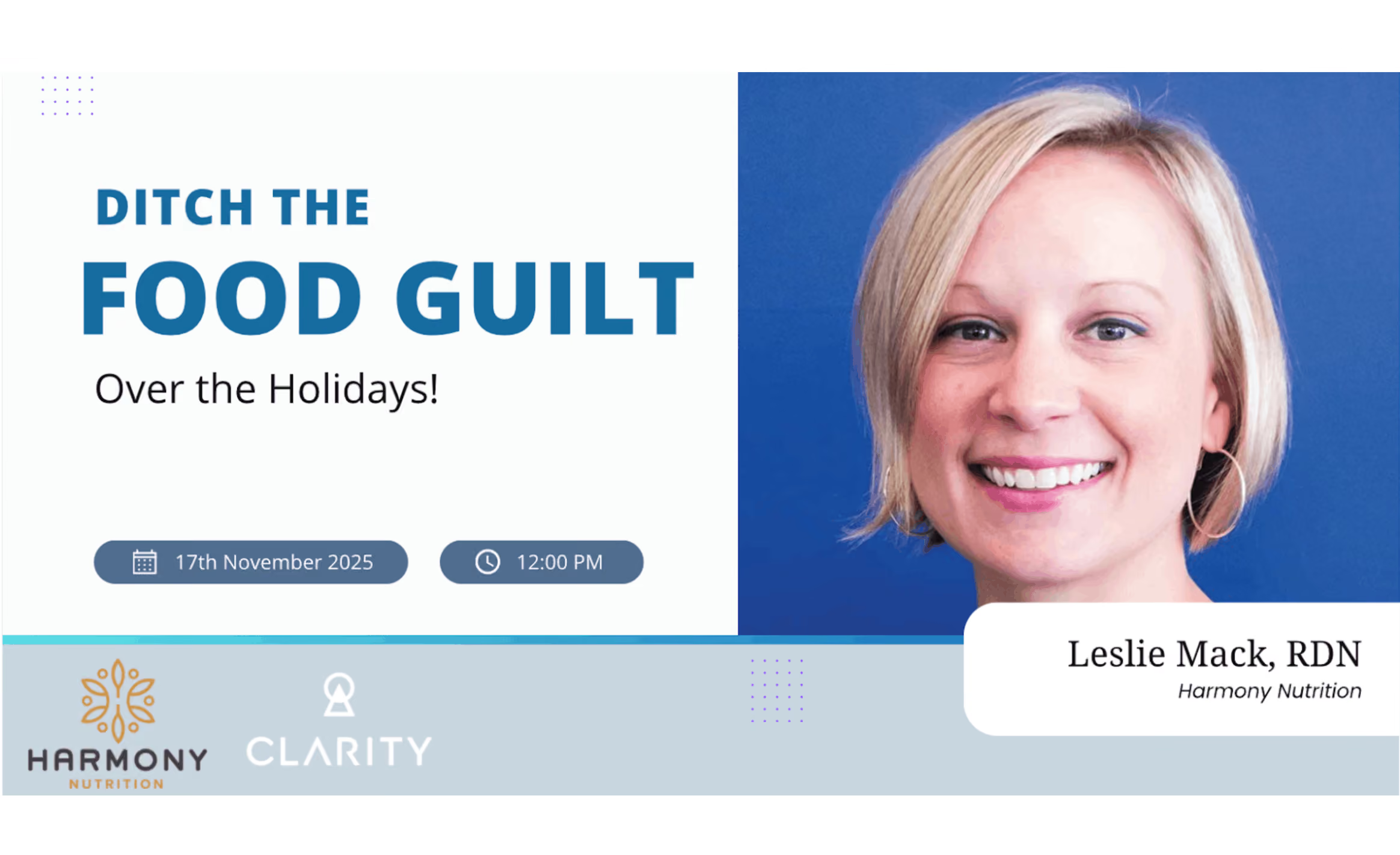
Ditching Food Guilt for the Holidays (and Every Day): Clarity Fitness & Harmony Nutrition Webinar Recap
Read more

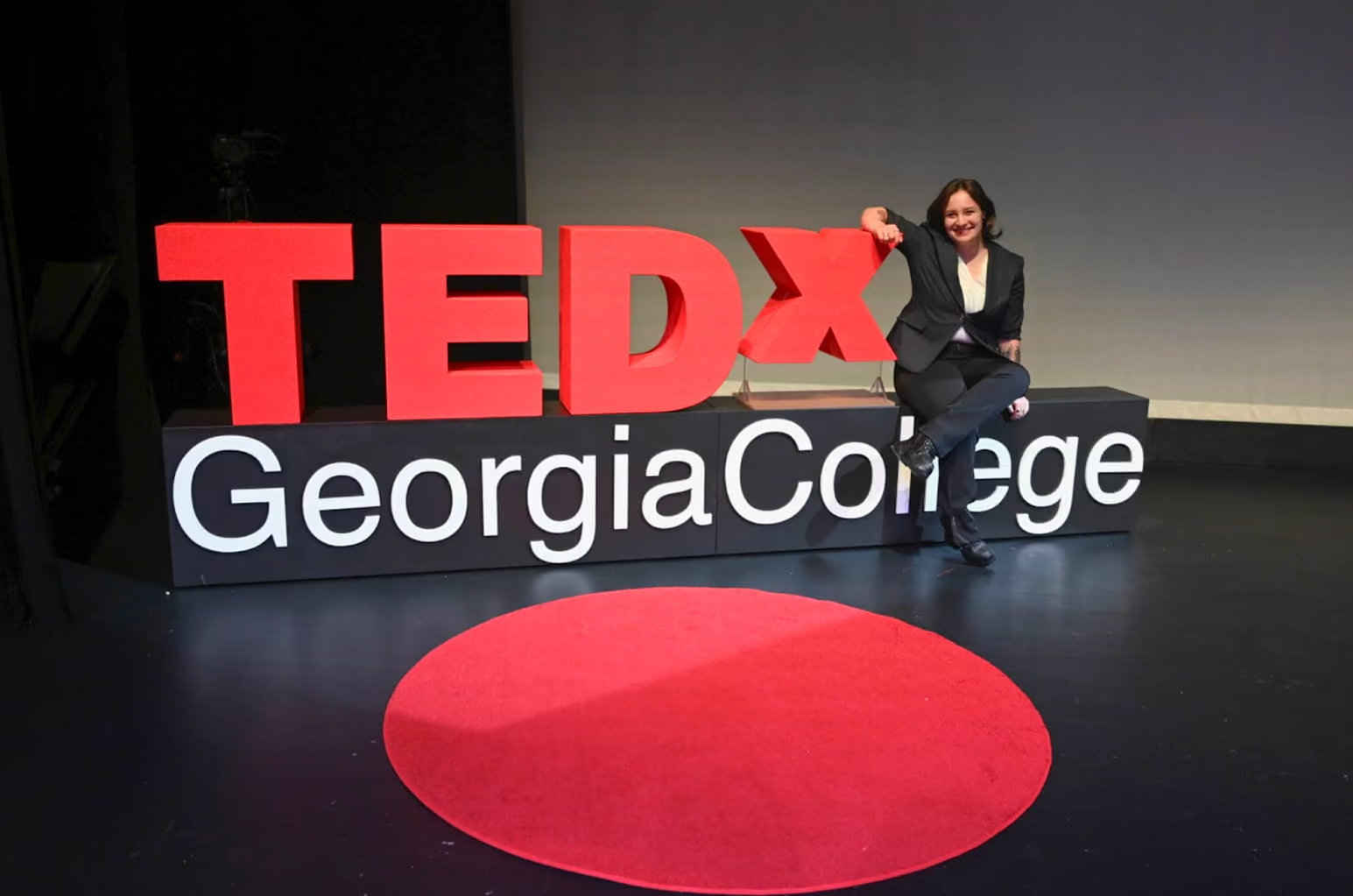
In college, my whole relationship with my body was about getting smaller. I wanted to fit into the next size down, then the next one after that. I did hours of cardio and didn't eat nearly enough. For a while I even trained for a bikini competition, because I thought it was a sure-fire way to shrink myself as much as possible and finally reach my unattainable and ever-shrinking body goals.
The hardest part was that people kept praising me for it. Every compliment about my changing body made me believe I was on the right track. What was really happening was much darker. All of that pressure, restriction and praise added up to a serious eating disorder. I struggled with both anorexia and bulimia.
Part of my recovery was working with an eating disorder informed dietitian. One of the most important things I learned was simple, and it changed everything: your body needs fuel to get stronger.
The research backs this up. When your body doesn't get enough energy to cover both daily life and training, scientists call it low energy availability. In a 2022 review, Cabre and colleagues explain that over time, it can disrupt hormones, digestion, heart health, mood, and bone health, all of which can impair how your body adapts to training and raise your risk of injury and illness (Cabre et al.). In other words, under fueling doesn't just hurt your health. It makes it harder for your body to respond to the work you're putting in.
Put simply, you can't starve your way to strong. Muscle needs nourishment to grow.
When strength became my goal instead of shrinking, something unexpected happened. Workouts didn't have to be grueling, long, painful and boring anymore.
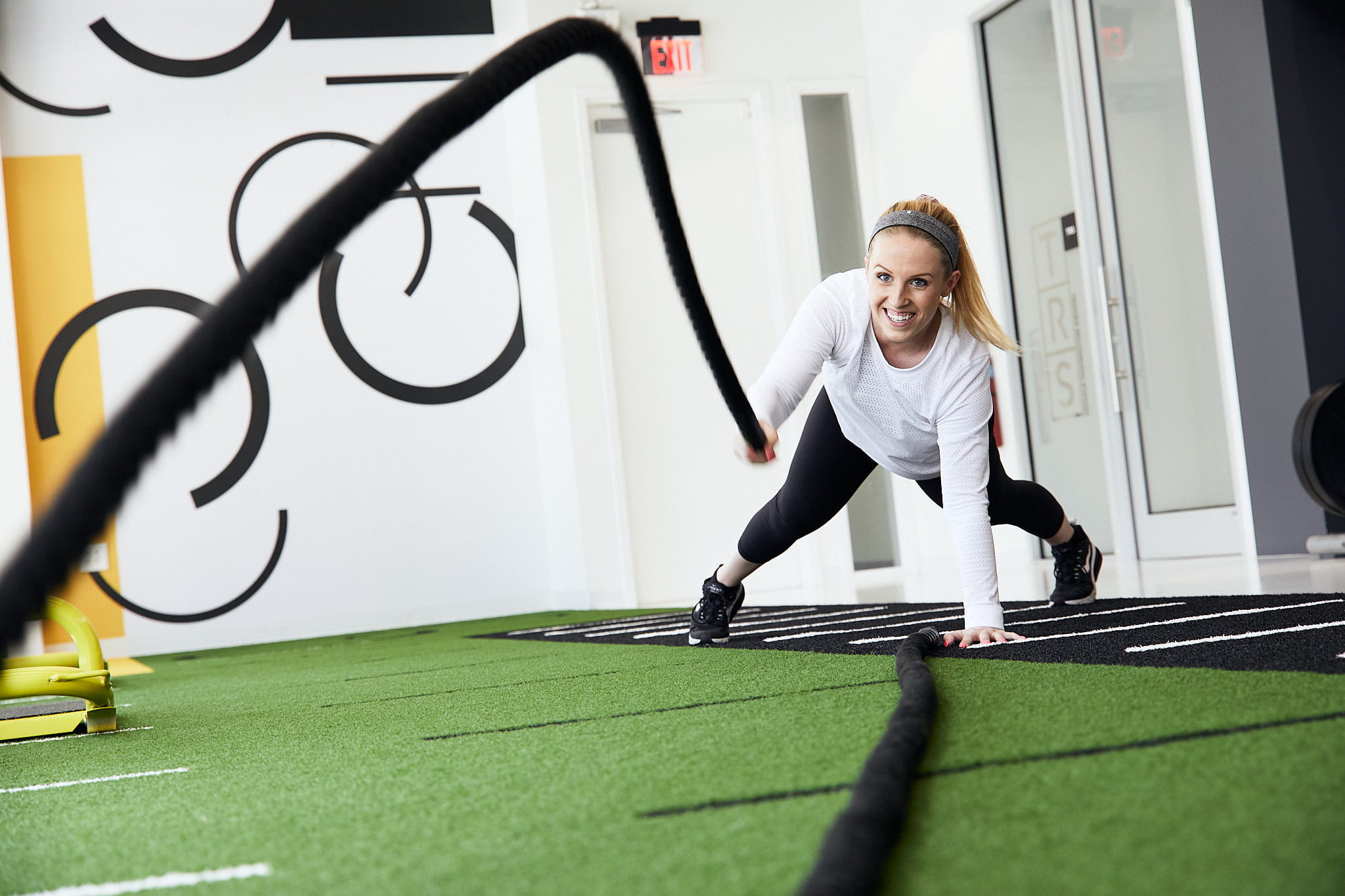
I started looking for trainers, classes, workout buddies, and programs that sounded fun to me. I finally let myself play. I lifted, did yoga, tried boxing, rollerblading, and spin, went for walks and took dance classes (shoutout to University of Miami's now retired "C-Funk" dance fitness class). Movement became social and exciting. It was something I wanted to do, not something I forced myself through as punishment for how I looked.
I hear what you're thinking... "Well, fueling and joyful movement sounds all hunky dory, but what about my long-term strength goals?" Here's the thing: joy is what gets you there. A 2022 study of 273 people across nine health clubs found that the more people enjoyed exercise, the stronger their exercise habit, the more they intended to keep going, and the more often they worked out (Teixeira et al.). The same researchers note that gyms have long seen high dropout rates, especially in a member's first three to six months (Teixeira et al.).
Variety helps too. In a 2020 opinion article, Lakicevic and colleagues argue that trying different kinds of movement may help people find the activities they enjoy and can tolerate, which may lead to sticking with it long term (Lakicevic et al.).
That matches what I see all the time as a studio owner myself. Going really hard, really fast for a week or two, hating every minute of it, and then writing off all movement does a lot less good for your mind, your emotions and your body than a sustainable routine or modality that you can keep doing for years.
Now don't misinterpret my previous paragraph for saying that you must move forever, and not working out is bad. Rest is an essential part of a healthy relationship with movement, and depending on what your relationship with food, body, and movement is looking like on any given chapter of life, may be the absolute priority. The goal isn't to do more. It's to find movement you actually enjoy, so it becomes a lasting, kind part of your life instead of a short, miserable sprint.
Your body isn't a problem to solve. Strength comes in every size, and you deserve to move in ways that feel good. If you're tired of exercising as punishment, come play with us at Clarity. We'll help you find the movement you love.
If you're struggling with food or your body, you're not alone. The National Alliance for Eating Disorders offers free support and can help you find care.
Cabre, H. E., et al. "Relative Energy Deficiency in Sport (RED-S): Scientific, Clinical, and Practical Implications for the Female Athlete." Deutsche Zeitschrift für Sportmedizin, vol. 73, no. 7, 2022, pp. 225-34, https://doi.org/10.5960/dzsm.2022.546.
Lakicevic, Nemanja, et al. "Make Fitness Fun: Could Novelty Be the Key Determinant for Physical Activity Adherence?" Frontiers in Psychology, vol. 11, 2020, article 577522, https://doi.org/10.3389/fpsyg.2020.577522.
Teixeira, Diogo S., et al. "Enjoyment as a Predictor of Exercise Habit, Intention to Continue Exercising, and Exercise Frequency: The Intensity Traits Discrepancy Moderation Role." Frontiers in Psychology, vol. 13, 2022, article 780059, https://doi.org/10.3389/fpsyg.2022.780059.